

Thinking about launching a new clothing store in 2025? The fashion world is changing rapidly, with shifts in consumer values, technology, and retail experiences creating fresh opportunities for entrepreneurs.
This guide is your essential resource for opening, positioning, and growing a successful new clothing store in today's evolving market. You will explore the latest market trends, learn how to build a strong business foundation, integrate technology, manage inventory effectively, and master both online and offline marketing.
Ready to future-proof your business? Dive in to discover practical steps and proven strategies for long-term success in the competitive world of fashion retail.
Understanding the 2025 Fashion Retail Landscape
Navigating the 2025 fashion retail landscape requires more than a stylish storefront. For anyone opening a new clothing store, understanding today’s trends is vital for long-term success. Let’s break down the forces shaping fashion retail and how your store can thrive.
The rise of conscious consumerism and sustainability
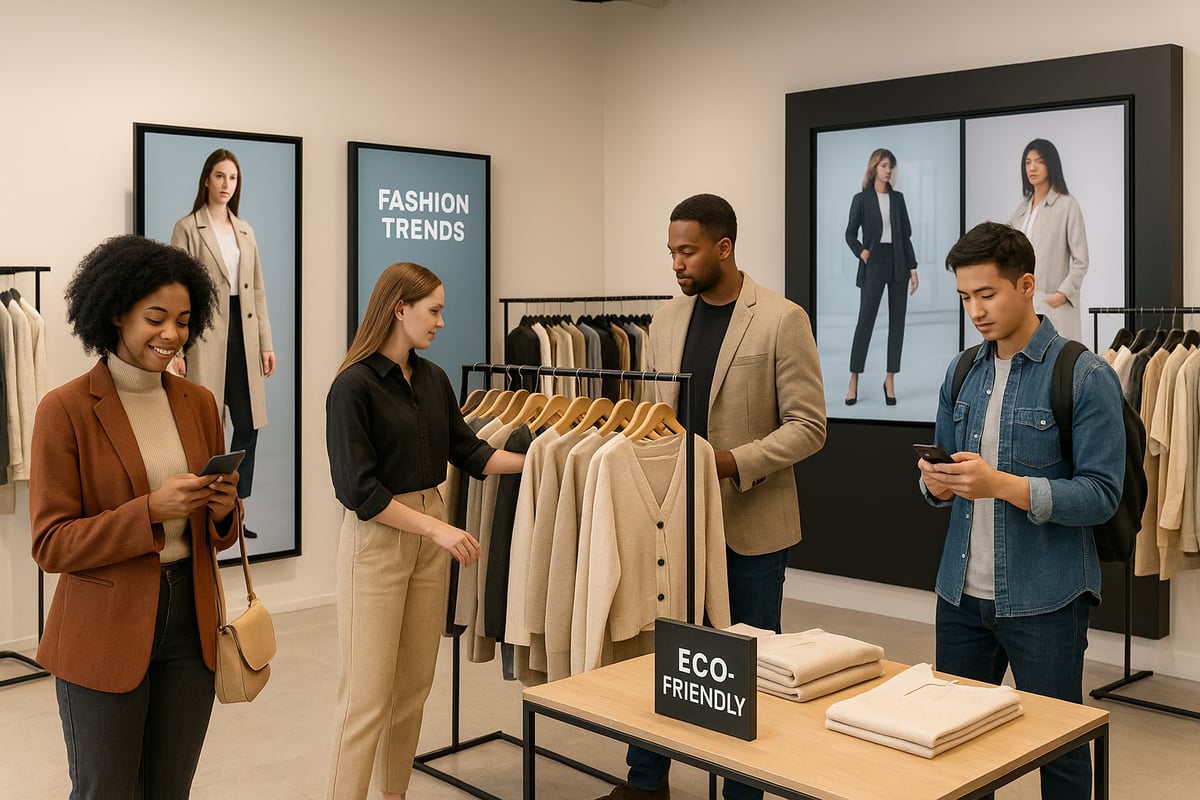
Sustainability is no longer optional for a new clothing store. Shoppers in 2025 are demanding ethical sourcing, transparency, and eco-friendly materials. For example, 67% of Gen Z consumers now consider sustainability when making purchasing decisions, reflecting a major shift in priorities.
This trend means a new clothing store must highlight responsible practices, such as using recycled fabrics or supporting fair labor. Adopting visible eco-friendly initiatives sets your store apart and builds trust with modern shoppers.
Digital transformation and omnichannel retail
A new clothing store in 2025 can’t ignore the digital revolution. Seamless integration of in-store and online experiences is now the industry norm. Mobile shopping and social commerce platforms continue to gain traction, allowing customers to browse and buy wherever they are.
Retailers are investing in smart e-commerce platforms, advanced POS systems, and unified inventory management. According to Q1 2025 Retail & Consumer Trends, omnichannel strategies are essential for capturing today’s connected shoppers. This means bridging the gap between physical and digital for a consistent brand experience.
Shifts in consumer behavior post-pandemic
The pandemic has forever changed how people shop for fashion. Comfort, authenticity, and self-expression are top priorities for today’s customers. A new clothing store must curate collections that reflect these values, offering loungewear, gender-neutral pieces, and locally inspired designs.
Additionally, there’s a renewed focus on supporting local businesses and building community. Hosting in-store events and collaborating with neighborhood artists can help position your new clothing store as a hub for connection and creativity.
Competitive landscape: Niche vs. mainstream
Standing out in 2025 means choosing the right audience. While mainstream retailers cast a wide net, many successful new clothing store owners are finding their edge in niches like streetwear, vintage, or sustainable fashion.
Niche stores benefit from loyal followings and word-of-mouth growth, while mainstream stores must invest heavily in marketing. Examples include specialty boutiques focusing on upcycled apparel or exclusive designer collaborations, which attract dedicated customer bases.
Technology’s role in shaping trends
Modern technology is transforming every aspect of the new clothing store experience. Artificial intelligence helps forecast trends and personalize recommendations, ensuring that inventory matches what customers want.
Augmented reality and virtual fitting rooms are becoming standard, enabling shoppers to try items digitally before buying. Brands using AR report higher engagement and reduced returns, proving the value of immersive tech for new clothing store success.
Globalization and local relevance
Balancing global trends with local tastes is crucial for a new clothing store. While international influences shape styles, 45% of consumers say they prefer brands that reflect local culture. This means curating collections that resonate with your community while staying current with worldwide fashion movements.
Building relationships with local designers and featuring regionally inspired pieces can help a new clothing store connect more deeply with its audience.
Regulatory and supply chain challenges
The 2025 landscape brings ongoing regulatory shifts and supply chain complexities. A new clothing store must stay agile, adapting to new import-export rules and addressing disruptions in sourcing.
Building strong relationships with ethical suppliers and diversifying vendors can safeguard against unexpected delays. Proactive planning and transparent communication are key to maintaining steady inventory and customer trust.
Laying the Foundation: Business Planning for Your Clothing Store
Launching a new clothing store in 2025 starts with a solid business plan. This step is essential for transforming your vision into a thriving retail venture. Each decision, from defining your brand's value to setting up your supply chain, sets the stage for long-term success.

Defining your unique value proposition
Your new clothing store must stand out in a competitive landscape. Start by pinpointing what makes your concept unique. Is it exclusive styles, a focus on sustainability, or a commitment to community engagement? For inspiration, explore Best store for t-shirts insights to see how differentiation drives success. Aligning your values with your offerings attracts loyal customers and builds lasting brand equity.
Market research and competitor analysis
Thorough research is crucial before opening any new clothing store. Use tools like Google Trends, Statista, and social listening platforms to analyze demand and identify market gaps. Study direct competitors, both locally and online, to understand their strengths and weaknesses. This data-driven approach helps you refine your positioning and anticipate shifts in consumer behavior.
Choosing your business model: Brick-and-mortar, online, or hybrid
Selecting the right business model shapes the trajectory of your new clothing store. Each model offers distinct advantages:
| Model | Pros | Cons |
|---|---|---|
| Brick-and-mortar | Tangible experience, local presence | Higher overhead costs |
| Online | Broader reach, lower startup costs | Less personal interaction |
| Hybrid | Combines reach and experience | Complex logistics |
Consider consumer preferences in 2025, with many shoppers favoring hybrid experiences.
Legal requirements and compliance
When starting a new clothing store, legal compliance is non-negotiable. Register your business, secure the necessary permits, and ensure you meet fashion industry standards. For online operations, prioritize privacy laws and data protection. Staying compliant from day one protects your reputation and avoids costly setbacks.
Financial planning and budgeting
A detailed financial plan is the backbone of your new clothing store. Estimate startup costs, including rent, inventory, marketing, and staffing. Project your cash flow and determine your break-even point. Regularly review your financial forecasts to adapt to market changes and ensure your store's sustainability.
Location strategy and store design
Where your new clothing store operates can make or break your business. Evaluate high-traffic areas, and weigh the pros and cons of pop-up versus permanent spaces. Store aesthetics matter—thoughtful layouts, inviting displays, and a cohesive visual identity enhance the customer experience and drive repeat visits.
Building your team
A successful new clothing store relies on a skilled, passionate team. Hire for retail, e-commerce, and creative roles. Invest in training that covers customer service and technology integration. A motivated staff delivers exceptional service and supports your store’s growth.
Setting up supply chains and vendor relationships
Reliable supply chains are essential for any new clothing store. Source from ethical, dependable suppliers and negotiate favorable contracts. Monitor inventory flow to avoid stockouts or overages. Building strong vendor relationships ensures product quality and operational efficiency.
Harnessing Technology for a Modern Clothing Store
Integrating technology into your new clothing store is essential in 2025. The retail landscape now demands a seamless blend of physical and digital experiences. By adopting the right tools, you can enhance efficiency, satisfy customer expectations, and stay ahead of the competition.

E-commerce platforms and POS systems
Selecting the right e-commerce platform and POS system is a foundational step for any new clothing store. Shopify, WooCommerce, and custom-built solutions each offer distinct benefits.
| Platform | Ease of Use | Customization | Integration | Cost |
|---|---|---|---|---|
| Shopify | High | Moderate | Excellent | $$ |
| WooCommerce | Moderate | High | Good | $ |
| Custom | Variable | Very High | Custom | $$$ |
Seamless integration between your online and in-store sales channels ensures accurate inventory and unified customer experiences. This approach is vital for meeting the expectations of today's tech-savvy shoppers.
Leveraging data analytics for smarter decisions
Harnessing data analytics is a game-changer for a new clothing store. By tracking sales trends, customer preferences, and inventory levels, you can make informed decisions.
Utilize predictive analytics to optimize stock levels, reducing overstock and missed sales. Key metrics to monitor include average transaction value, conversion rates, and product performance. These insights allow your store to adapt quickly to market changes.
Personalization and customer experience tech
Personalization is now expected by shoppers. For a new clothing store, AI-powered chatbots and recommendation engines can create tailored shopping journeys.
Research shows 71% of consumers expect personalized experiences. Implementing these technologies not only boosts satisfaction but also increases repeat purchases. Consider using machine learning to suggest products based on browsing history and past purchases.
AR/VR and virtual fitting rooms
Augmented and virtual reality are transforming the way customers shop at a new clothing store. Virtual fitting rooms let shoppers try on clothes digitally, improving confidence and reducing returns.
Brands using AR for try-ons see higher engagement and conversion rates. To explore how leading retailers are leveraging AI and immersive tech in fashion, see The State of Fashion: Trends That Matter in 2025 for real-world examples and best practices.
Mobile-first approach and app integration
A mobile-first strategy is non-negotiable for a new clothing store. Optimizing your website and integrating with shopping apps enhances accessibility and convenience.
With the rise of social shopping on platforms like Instagram and TikTok, mobile commerce is rapidly outpacing desktop. Ensure your digital storefront is responsive and fast-loading to capture these mobile-driven sales.
Security, payments, and fraud prevention
Protecting your new clothing store and its customers requires robust security measures. Adopt secure payment gateways and enable biometric authentication where possible.
Deploy advanced fraud detection systems to safeguard against unauthorized transactions. Regularly update your software to stay ahead of evolving threats.
Inventory management systems
Automated inventory management is crucial for a new clothing store. Real-time tracking helps prevent stockouts and overstock situations.
Set up automated reordering to maintain optimal inventory levels. These systems free up staff time and improve operational efficiency, creating a smoother overall experience.
Curating the Perfect Inventory: Sourcing, Trends & Merchandising
Inventory is the heartbeat of every new clothing store. Curating the perfect mix of products means understanding trends, sourcing wisely, and merchandising with purpose. As you build your new clothing store, focus on what excites your customers and keeps them coming back.
Identifying 2025’s top fashion trends
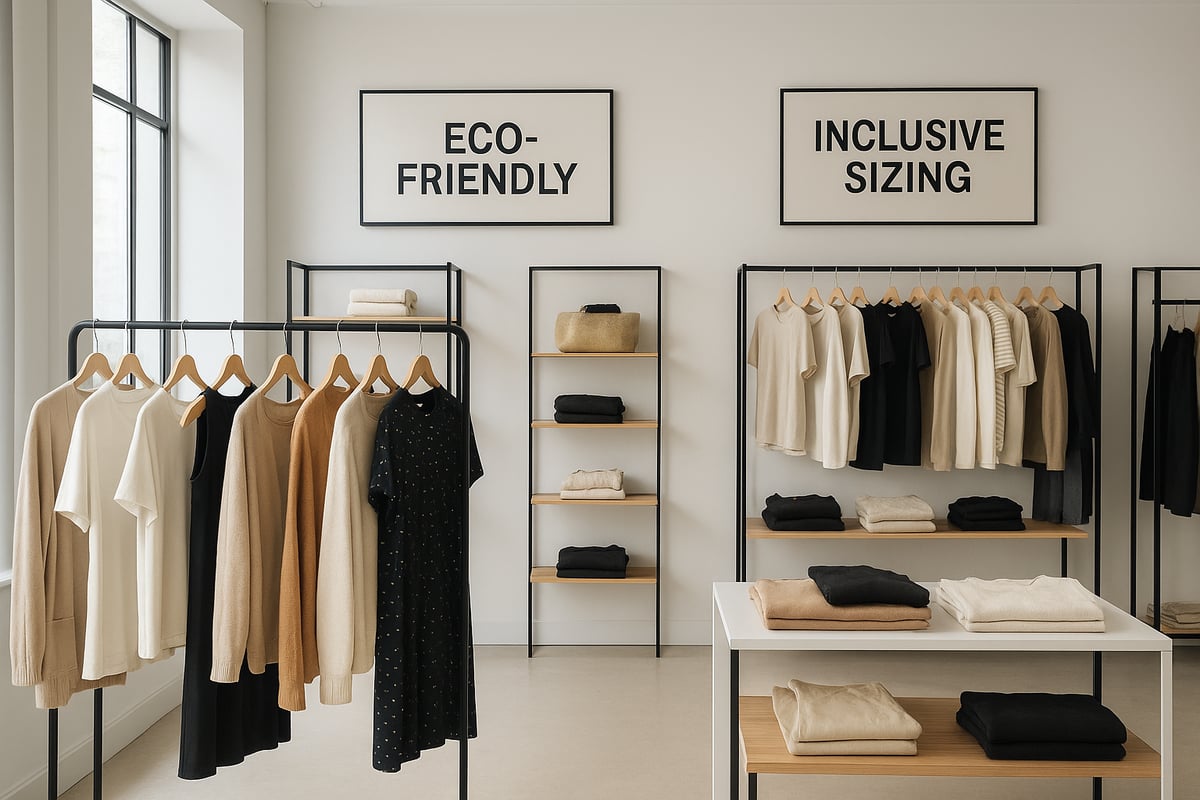
Staying ahead of trends is essential for a new clothing store. In 2025, expect gender-neutral styles, tech-integrated apparel, and upcycled materials to dominate. Look to trend forecasting tools and monitor influencer content for early signals.
- Genderless silhouettes
- Wearable tech features
- Recycled fabrics
Analyze social media conversations to spot rising microtrends. Consider collaborating with local artists for exclusive, on-trend collections. The right trends set your new clothing store apart in a crowded market.
Sourcing inventory: Local, global, and sustainable options
Where you source inventory shapes your new clothing store’s brand identity. Local designers offer exclusivity and community appeal, while global manufacturers provide scale and cost efficiency. Increasingly, sustainable sourcing is a must.
- Local: Unique, supports community
- Global: Variety, economies of scale
- Sustainable: Appeals to eco-conscious shoppers
Balance these approaches to offer a diverse assortment. Sustainable options are especially attractive, as over half of shoppers are willing to pay more for eco-friendly products.
Building relationships with designers and brands
Strong partnerships are the backbone of a successful new clothing store. Attend trade shows, fashion weeks, and connect with emerging designers online. Building exclusive collaborations can help your store stand out.
For tips on forming partnerships, explore fashion collaboration opportunities. Maintain open communication and clear agreements to foster long-term success. These connections can provide unique inventory and keep your assortments fresh.
Merchandising strategies for in-store and online
Effective merchandising makes your new clothing store memorable. In-store, use color stories, focal points, and clear signage. Online, create curated collections and smart product recommendations.
- Rotate displays by season
- Highlight bestsellers and new arrivals
- Use storytelling to connect with customers
Merchandising is both art and science. Regularly refresh layouts and digital collections to inspire repeat visits and purchases.
Managing inventory turnover and minimizing dead stock
Controlling inventory is vital for profitability. Use data to forecast demand and plan orders. Implement seasonal rotations, flash sales, and clearance events to move slow sellers.
- Track sell-through rates
- Automate reordering for top items
- Host pop-ups for surplus inventory
These strategies help your new clothing store maintain healthy stock levels and reduce waste.
Pricing strategies for profit and competitiveness
Choose a pricing model that fits your new clothing store’s positioning. Keystone pricing (double the wholesale cost) is common, but dynamic and psychological pricing can offer advantages.
- Monitor competitor prices
- Adjust for seasonal demand
- Test promotions to gauge response
Stay agile with pricing to attract value-conscious shoppers while protecting margins. Regular reviews ensure your pricing aligns with market shifts.
Sizing and inclusivity considerations
Inclusive sizing is a non-negotiable for a modern new clothing store. Offer extended sizes and adaptive options to welcome all shoppers. Stores providing inclusive sizing see higher retention and broader appeal.
- Stock a full range of sizes
- Train staff on fit guidance
- Promote inclusivity in marketing
Make inclusivity part of your store’s DNA to build loyalty and foster positive word of mouth.
Marketing Your New Clothing Store: Online and Offline Tactics
Launching a new clothing store in 2025 requires a carefully crafted marketing strategy that bridges both online and offline worlds. Success hinges on building strong brand recognition, engaging audiences on digital platforms, and fostering genuine community connections. Let us explore the essential tactics that can elevate your new clothing store in a competitive market.
Building your brand identity
A compelling brand identity is the foundation of any successful new clothing store. This includes a memorable name, a unique logo, and a visual language that resonates with your target audience. Crafting an authentic brand story not only differentiates you but also builds trust and loyalty.
Consider how your brand values come to life through every touchpoint, from store signage to social media presence. For inspiration, review how established brands articulate their principles on their About our clothing brand values page. Investing in a cohesive identity ensures your new clothing store stands out and attracts the right customers.
Social media and influencer partnerships
Social media is indispensable for any new clothing store. Platforms like Instagram, TikTok, and YouTube offer direct access to fashion-forward consumers. Collaborating with influencers, both micro and macro, can amplify your reach and foster credibility.
Develop a calendar for regular posts highlighting new arrivals, behind-the-scenes moments, and customer testimonials. Engage with followers through polls, stories, and live streams. By aligning with influencers who share your brand’s ethos, your new clothing store can quickly build an engaged community and generate buzz around new collections.
Content marketing and storytelling
Storytelling breathes life into your new clothing store’s brand. Use content marketing strategies such as blogging, style guides, and lookbook videos to showcase your products and share your journey. High quality visuals and authentic narratives can foster emotional connections with your audience.
Search engine optimization (SEO) ensures your content reaches those searching for a new clothing store in your niche. Encourage user-generated content by inviting customers to share their outfits and experiences. This not only builds trust but also expands your reach organically.
Email marketing and customer loyalty programs
Email marketing remains a powerful tool for nurturing relationships with your new clothing store’s customers. Segment your email lists based on shopping behaviors and preferences to deliver personalized offers and updates.
Introduce loyalty programs that reward repeat purchases, referrals, or social engagement. Consider exclusive previews, birthday discounts, or early access to sales. These initiatives make customers feel valued, increasing retention and lifetime value for your new clothing store.
Event marketing and community engagement
Hosting events is a dynamic way to connect with your audience beyond digital channels. Organize in store launches, pop up shops, or styling workshops to create memorable experiences for your new clothing store’s customers.
Partner with local artists, musicians, or non profits to foster authentic community ties. These collaborations not only attract foot traffic but also position your new clothing store as a hub for creativity and inclusivity within your neighborhood.
Paid advertising and retargeting
Investing in paid advertising accelerates growth for your new clothing store. Utilize Facebook, Google, and TikTok ads to target specific demographics and interests. Develop visually appealing creatives that reflect your brand’s identity and highlight your unique offerings.
Retargeting campaigns help recover abandoned carts and re engage visitors who showed interest but did not purchase. Monitor ad performance closely, adjusting your budget and messaging to maximize return on investment.
Measuring marketing ROI and adjusting strategies
Success for your new clothing store depends on data driven decision making. Track key performance indicators such as website traffic, conversion rates, and customer lifetime value. Use analytics tools to identify which marketing tactics drive the most engagement and sales.
Regularly review your strategies and remain agile. By learning from your data, you can refine campaigns, allocate resources more effectively, and ensure your new clothing store continues to grow in a rapidly evolving market.
Future-Proofing Your Clothing Store for Long-Term Success
Building a successful new clothing store in 2025 requires more than a strong launch. You need strategies that will keep your business resilient and relevant as the industry evolves. Future-proofing means preparing for change, fostering loyal customers, and staying ahead of trends.
Embracing agility and innovation
In today’s retail world, the ability to pivot quickly is a major advantage. Trends can shift overnight, and a new clothing store must be ready to adapt. Brands that swiftly transitioned to loungewear during the pandemic saw significant growth, highlighting the importance of flexibility.
Agility starts with monitoring market movements and regularly updating your product mix. Use real-time data and feedback to spot emerging opportunities. Encourage a culture where your team feels empowered to suggest new ideas and experiment with merchandising or events.
Innovation also means integrating new technology. For example, using AI for inventory management or virtual try-ons can set your new clothing store apart. Staying open to change ensures you’re always one step ahead.
Building a loyal customer community
A thriving new clothing store relies on more than transactions. Community is your foundation. Build loyalty by offering membership programs, exclusive product drops, or VIP shopping experiences.
Consider launching a private social group or loyalty app where customers can share feedback and access early releases. Host local events or workshops to foster a sense of belonging. Two-way communication is key—listen to your customers and act on their suggestions.
Over time, this approach transforms shoppers into advocates. When your community feels valued, your new clothing store becomes their go-to destination.
Sustainable practices and ethical commitments
Sustainability is no longer optional for a new clothing store. Shoppers want transparency and eco-friendly options. Implement recycling programs, use recycled or compostable packaging, and communicate your sourcing practices clearly.
According to the Eco-Conscious Consumer Statistics & Trends (2025 Report), the demand for sustainable products continues to climb. Make ethical commitments part of your brand story and marketing. Consider offering clothing recycling drop-offs or highlighting local, ethical suppliers.
Sustainable operations not only attract conscious consumers but also build long-term trust. Small changes can make a big impact on your reputation.
Diversifying revenue streams
Relying solely on traditional sales can limit growth for a new clothing store. Explore additional revenue streams like rental services, resale of pre-loved items, or subscription boxes. These models appeal to evolving consumer habits and provide more predictable income.
A table can help visualize options:
| Revenue Stream | Benefits | Challenges |
|---|---|---|
| Rental Services | Steady recurring revenue | Inventory management |
| Resale/Pre-loved | Appeals to eco-conscious buyers | Quality control |
| Subscription Boxes | Predictable cash flow | Customization demands |
Start with one or two new offerings, test the response, and refine your approach. Diversification boosts resilience and opens new opportunities.
Scaling your business: Franchising, new locations, and global expansion
Once your new clothing store is established locally, consider expansion. Franchising can help you scale rapidly, while opening new locations increases brand visibility. Before expanding, research local regulations, culture, and market needs.
Evaluate your readiness by reviewing sales data, customer feedback, and operational capacity. International growth requires attention to compliance, logistics, and adapting your product mix for different tastes. The The State of Retail: Apparel, Accessories, & Footwear provides valuable insights on global consumer trends and spending.
Scaling is not just about size, but sustainability. Grow at a pace that maintains your brand quality and customer experience.
Leveraging customer data for continuous improvement
A successful new clothing store uses data to drive decisions. Collect customer feedback through surveys, reviews, and in-store conversations. Use CRM systems to track purchase history and preferences, allowing you to personalize offers.
Analyze metrics like repeat purchase rate, basket size, and dwell time. Regularly review what’s working and where you can improve. Use this insight to refine marketing, inventory, and service.
Continuous improvement ensures your store evolves with your customers. Data-driven changes keep your offerings relevant and your operations efficient.
Navigating economic and industry uncertainties
The retail landscape is unpredictable. Inflation, supply chain disruptions, and shifting consumer spending can all impact a new clothing store. Scenario planning helps you prepare for various outcomes.
Build financial resilience by maintaining healthy cash reserves and flexible supplier contracts. Diversify your supplier base to reduce risk. Stay informed about policy changes that could affect imports or tariffs.
Regularly update your business plan and be ready to pivot when needed. Staying proactive will help your new clothing store weather challenges and seize new opportunities as they arise.
As you look ahead to launching your own clothing store in 2025, remember that success is all about embracing creativity, authenticity, and staying true to your vision. This guide has covered everything from understanding market shifts and leveraging technology, to curating inventory and building a standout brand. If you want to see how individuality and bold self-expression come to life in real fashion, I encourage you to Explore the Collection at Maybe Today NYC. Experience firsthand how a unique perspective can set a brand apart—and inspire your own journey.
0 comments