

Urban fashion is racing forward, with every street clothing store facing a new era of style in 2026. The landscape is shifting rapidly as bold trends emerge and redefine what shoppers expect.
In this article, discover the nine essential trends that will shape every successful street clothing store. From sustainable materials and tech-driven experiences to genderless fashion and global influences, get a clear view of what is next.
Stay tuned as we unveil actionable insights to keep your store on the cutting edge of urban fashion.
The Rapid Evolution of Street Clothing Stores
The street clothing store landscape is transforming at a remarkable pace. Urban fashion's journey from underground movement to global phenomenon has set the stage for a new era in retail. As we approach 2026, understanding the forces behind this evolution is crucial for brands aiming to stay ahead.
The Rise of Urban Fashion Culture
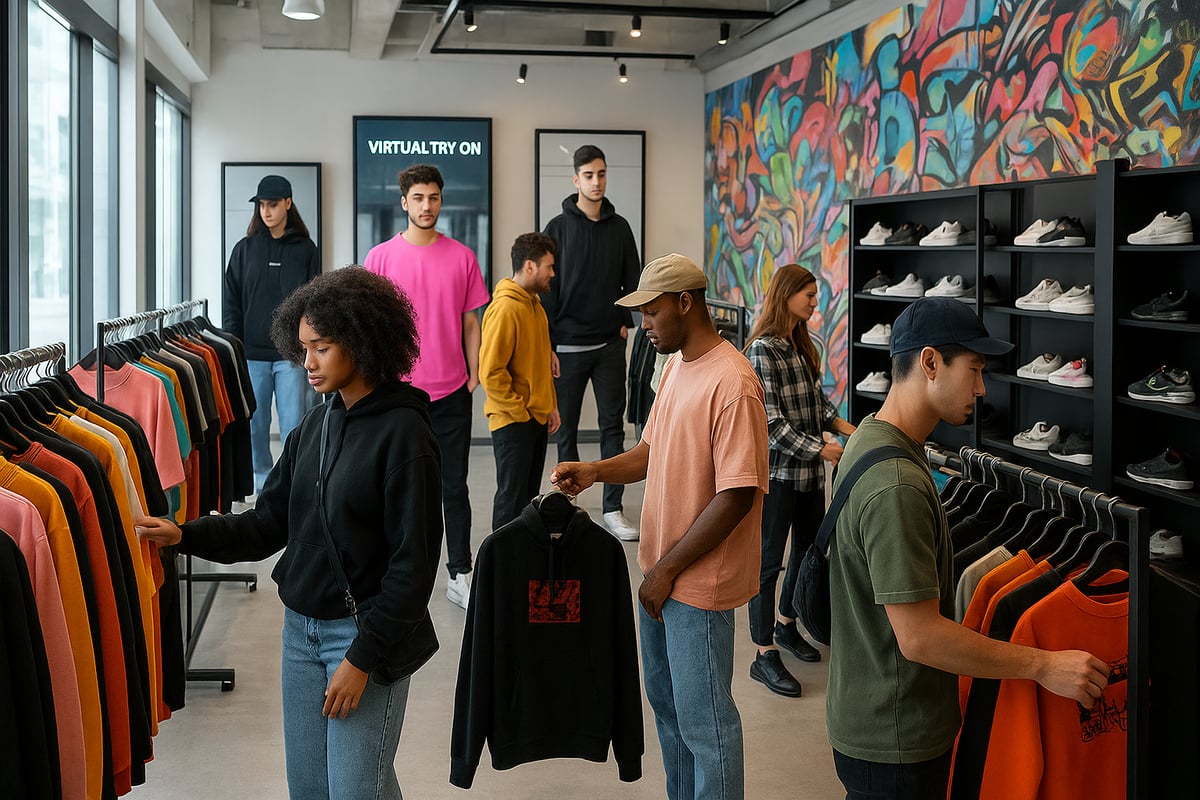
Streetwear has grown from a niche subculture into a mainstream powerhouse. Music, art, and social media have all played pivotal roles in this ascent. Hip-hop and skateboarding communities, for example, brought their distinct styles to the forefront, influencing global youth.
Limited sneaker releases and exclusive hoodie drops have fueled excitement, turning simple pieces into coveted collectibles. Social media platforms amplify these moments, making each new launch a cultural event. According to a global streetwear market analysis, the market continues to expand as these influences persist.
Today, every street clothing store must recognize the significance of these cultural drivers to connect with their target audience.
Consumer Demands in 2026
Consumers are more discerning than ever. In 2026, 68% of Gen Z shoppers will prioritize unique, expressive clothing that reflects their individuality. The street clothing store environment is shaped by this desire for authenticity and self-expression.
Platforms like TikTok and Instagram are at the heart of trend adoption. Viral challenges and influencer content can instantly propel a style into the mainstream. As a result, stores need to keep a close eye on social trends to remain relevant.
Shoppers expect brands to offer more than just products—they want experiences and stories that resonate with their personal values.
Technology’s Role in Streetwear Retail
Technology is revolutionizing the street clothing store experience. Augmented and virtual reality are now common, offering shoppers the ability to try on outfits virtually before making a purchase. These innovations help bridge the gap between online and in-store shopping.
Artificial intelligence drives personalized recommendations and smarter inventory management. Stores using AI can suggest styles based on browsing history, increasing customer satisfaction. Virtual try-ons, in particular, have reduced returns and provided a seamless shopping journey.
Embracing these technologies allows stores to deliver engaging and efficient experiences for every visitor.
Sustainability and Ethical Practices
Sustainability is no longer optional for a street clothing store. Consumers demand transparency in sourcing and production. Many brands have responded by increasing their use of recycled materials, with some reporting a 30% rise in 2025 alone.
Eco-friendly fabrics and ethical labor practices are becoming standard expectations. Shoppers are willing to pay a premium for products that align with their values. Highlighting sustainable initiatives in-store and online builds trust and loyalty.
Retailers must continually adapt to maintain credibility in an eco-conscious market.
Competitive Landscape and Store Adaptation
The competitive landscape for a street clothing store is intense. Agility is essential—stores must quickly respond to micro-trends and shifting consumer preferences. Collaborations with artists, musicians, and other brands create buzz and distinguish stores from competitors.
Pop-up shops and limited edition releases generate excitement, drawing crowds and media attention. Cross-brand collaborations often result in viral moments, boosting visibility.
To thrive, stores must blend creativity, speed, and strategic partnerships, ensuring they remain at the forefront of urban fashion.
9 Essential Street Clothing Store Trends for 2026
The street clothing store landscape is transforming rapidly, driven by innovation and evolving consumer expectations. To stay ahead, owners must understand the trends that will define 2026. Below, explore the nine essential trends every street clothing store should prioritize for long-term success.
1. Sustainable and Recycled Materials
Sustainability is more than a buzzword; it is a non-negotiable for the modern street clothing store. Eco-conscious consumers are driving demand for upcycled and organic fabrics, with 55% of streetwear shoppers willing to pay extra for sustainable options (Deloitte, 2025).
Innovations in biodegradable denim, recycled polyester, and plant-based dyes are reshaping product lines. Brands are highlighting sustainability through clear labeling, in-store displays, and storytelling across marketing channels.
Stores face challenges balancing cost, quality, and transparent sourcing. However, adopting sustainable practices can set a street clothing store apart, foster loyalty, and future-proof the business.
A simple summary:
| Innovation | Impact on Store | Consumer Appeal |
|---|---|---|
| Biodegradable denim | Eco-friendly offer | High, Gen Z focus |
| Recycled polyester | Lower footprint | Growing interest |
| Plant-based dyes | Healthier process | Niche, expanding |
Embracing these changes not only meets consumer demand but also positions your street clothing store as a responsible industry leader.
2. Tech-Enhanced Shopping Experiences
Technology is revolutionizing how customers engage with the street clothing store. AR and VR fitting rooms allow shoppers to try on outfits virtually, reducing returns by up to 30%. Mobile apps that integrate in-store and online shopping create seamless journeys.
Many stores are partnering with startups to bring the latest retail tech to their customers. Virtual try-ons, AI-driven style recommendations, and immersive digital environments increase engagement and conversion rates.
For the street clothing store, these tools deliver measurable benefits:
- Higher customer retention
- Improved shopping satisfaction
- Streamlined inventory management
Integrating technology is no longer optional. The street clothing store that invests in immersive and personalized experiences will stand out in a crowded market.
3. Genderless and Fluid Fashion
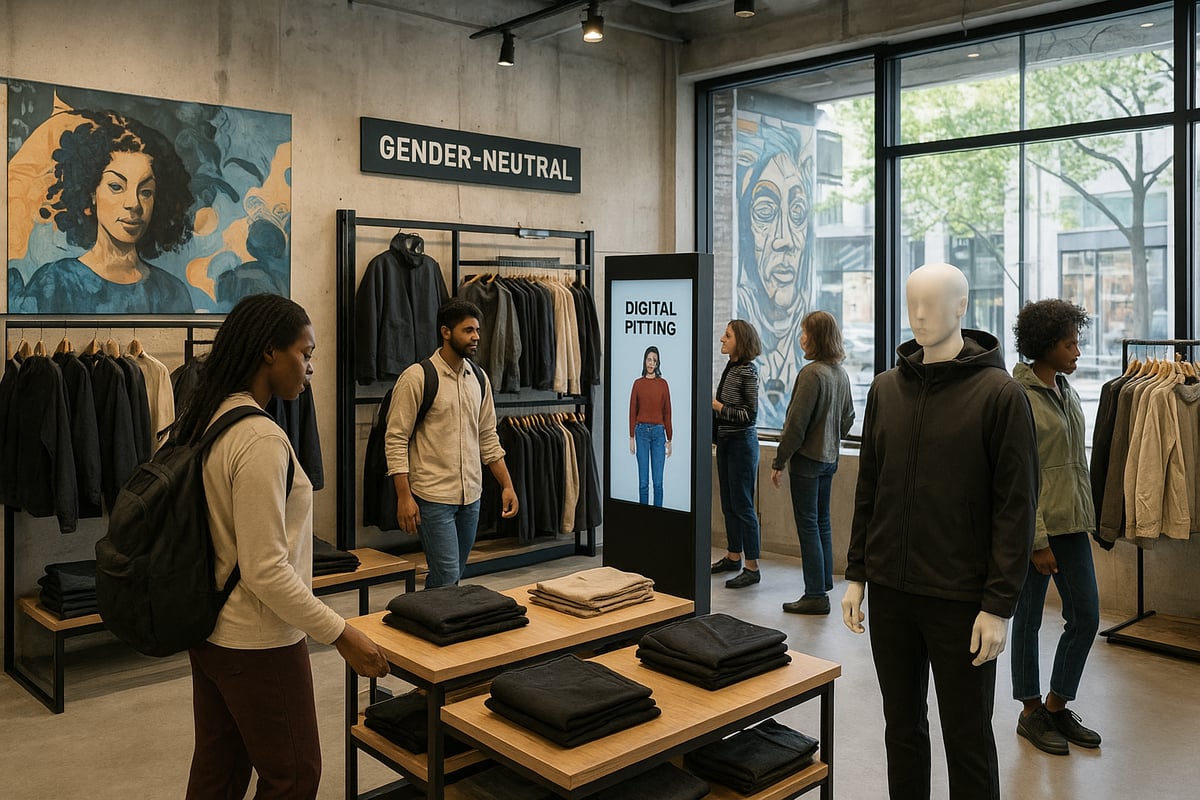
The boundaries between men’s and women’s clothing are dissolving, and the street clothing store is at the forefront of this shift. Gender-neutral sizing, inclusive marketing, and unisex collections are quickly becoming the norm.
Major streetwear brands are launching lines designed for all identities. According to McKinsey (2025), 62% of Gen Z prefers brands with non-binary options. Stores are rethinking layouts to feature fluid fashion displays and offer comprehensive sizing guides to support every shopper.
Benefits for the street clothing store include broader appeal, increased foot traffic, and a reputation for inclusivity. Challenges remain, such as staff training and inventory planning, but the rewards are significant.
For those seeking more on sizing, see the Sizing Guide for Street Clothing.
4. Limited Edition Drops and Micro-Collections
Creating urgency is a proven strategy for any street clothing store. Limited edition drops and micro-collections harness the power of scarcity, driving demand and generating buzz across social media platforms.
Sneaker and hoodie drops often sell out within minutes, creating viral moments and deepening customer loyalty. Stores can schedule releases, offer VIP early access, or host pop-up events to engage their audience.
However, managing hype is crucial. While exclusivity excites, frequent sellouts can frustrate customers if not handled transparently. The street clothing store must balance hype with accessibility to keep shoppers coming back.
5. Personalization Through Data and AI
Personalization is transforming the street clothing store experience. AI-powered recommendations, style quizzes, and customizable apparel allow customers to express individuality.
Stores are offering in-house design tools for on-demand prints, patches, and embroidery. Data privacy is a key concern, so building trust through transparent data practices is essential.
Benefits include:
- Higher repeat purchase rates
- Improved customer satisfaction
- Stronger brand loyalty
The street clothing store that embraces AI-driven personalization will foster deeper connections and stand out in a competitive landscape.
6. Artistic Collaborations and Local Artist Spotlights
Collaborations with graffiti artists, illustrators, and musicians are redefining what a street clothing store can be. These partnerships bring fresh perspectives, unique products, and authentic connections to communities.
Stores are hosting murals, capsule collections, and events that spotlight local talent. For example, local artist pop-ups often boost foot traffic and earn media coverage. Building community through collaboration increases brand loyalty and drives sales.
Success is measured in social shares, press mentions, and sales spikes. For inspiration, explore Artist Collaborations and Events that showcase impactful partnerships in the street clothing store world.
7. Hyper-Local and Community-Driven Retail
Neighborhood-centric collections inspired by local culture are gaining traction with the street clothing store audience. In-store events, workshops, open mics, and community gatherings create a sense of belonging.
Stores hosting street art tours or skate competitions become cultural hubs, building a loyal customer base and strong brand identity. The challenge is balancing hyper-local relevance with broader market appeal.
A community-driven street clothing store is more than a retail space—it becomes a gathering point for creativity and connection.
8. Tech-Integrated Apparel and Wearables
Smart apparel is entering the mainstream street clothing store. Innovations include:
- Embedded LEDs for visual flair
- NFC tags for digital experiences
- Temperature-regulating fabrics
- Jackets with built-in phone chargers
Collaborations with tech brands are introducing clothing that appeals to early adopters and tech-savvy shoppers. Interactive demos and educational content in-store help customers understand these features.
The street clothing store that offers tech-integrated apparel is not just selling fashion—it is selling a lifestyle.
9. Global Influences and Cross-Cultural Fusion
International street style is shaping the identity of every street clothing store. Tokyo, Seoul, London, and other fashion capitals inspire new patterns, silhouettes, and materials.
Stores are curating capsule collections that blend global influences, appealing to cosmopolitan audiences and trendsetters. The key is to honor cultural origins, avoiding appropriation while celebrating diversity.
A street clothing store that authentically embraces cross-cultural fusion attracts a wider customer base and positions itself as a true trend leader.
The Future of Street Clothing Store Marketing
Success in the street clothing store market will increasingly depend on dynamic, forward-thinking marketing strategies. As trends accelerate and competition intensifies, understanding how to connect with urban consumers is more critical than ever.
Social Media and Influencer Partnerships
Social media remains a powerful tool for any street clothing store looking to drive awareness and sales. Platforms like TikTok and Instagram are essential for launching viral campaigns and reaching Gen Z audiences.
Partnering with micro-influencers can help a street clothing store build authentic connections. These influencers often have highly engaged followings, making them ideal for sharing new collections or store events.
- Launch hashtag challenges to spark user-generated content.
- Feature influencer takeovers to showcase exclusive drops.
- Use real customer stories to enhance brand credibility.
By integrating influencer collaborations into marketing plans, stores can quickly adapt to new trends and boost their visibility in a crowded market.
Experiential Marketing and Pop-Up Events
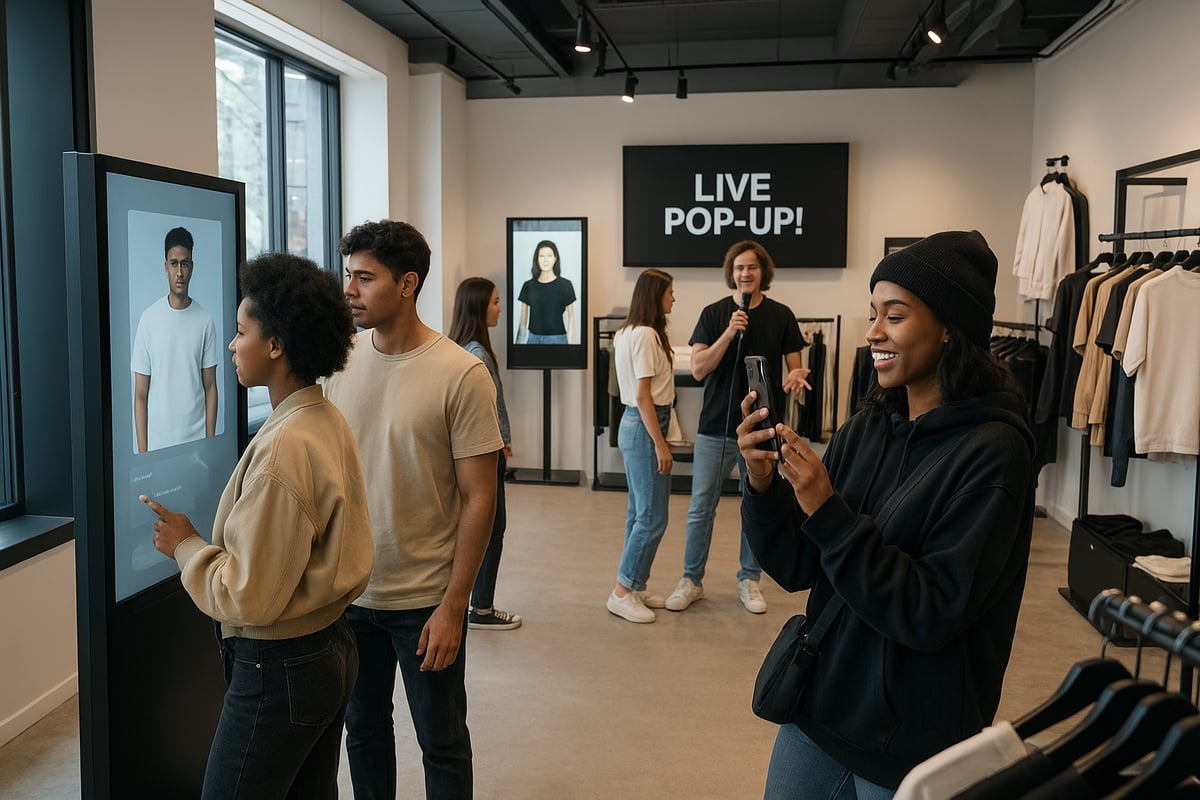
Creating memorable in-store experiences is crucial for a street clothing store to stand out. Pop-up events, artist collaborations, and live performances can turn shopping into a destination event rather than a routine task.
Interactive installations and limited-time pop-ups generate buzz, attract media coverage, and encourage shoppers to share their experiences online. Collaborating with local musicians or food vendors can further enhance these events.
- Host exclusive product drops during special events.
- Organize workshops or customization stations.
- Partner with local talent for live art or music sessions.
Focusing on experience-driven marketing helps build emotional connections and encourages repeat visits.
Omnichannel Strategies for 2026
A seamless blend of online and offline channels is now expected by modern street clothing store customers. Omnichannel strategies, such as click-and-collect and live shopping events, bridge the gap between physical and digital.
Personalization is key. Use customer data to offer tailored promotions, recommend products, and ensure a cohesive brand experience at every touchpoint. Same-day delivery and real-time inventory updates help meet rising consumer expectations.
For more insights on integrating omnichannel strategies, visit the Latest Streetwear Blog Insights to explore emerging best practices and success stories.
A unified approach not only increases engagement but also ensures your store stays relevant in a rapidly changing retail landscape.
Community Building and Brand Loyalty
Building a loyal community is fundamental for long-term success in the street clothing store industry. Loyalty programs, exclusive memberships, and in-person events foster a sense of belonging among customers.
Engage shoppers through online forums, local meetups, or private shopping nights. Encourage feedback and reward participation to create deeper connections.
- Launch VIP membership tiers with early access to drops.
- Host community-driven events and collaborations.
- Use branded forums for ongoing dialogue and support.
By investing in community, a street clothing store can increase customer retention and lifetime value, ensuring a resilient business model for years to come.
Preparing Your Store for the Next Wave
Staying ahead in the urban fashion market means preparing your street clothing store for continuous evolution. As trends shift rapidly, a proactive strategy is crucial for long-term success. By evaluating which innovations align with your brand, investing in your team, tracking progress, and building resilience, you can secure your competitive edge.
Assessing and Adopting Relevant Trends
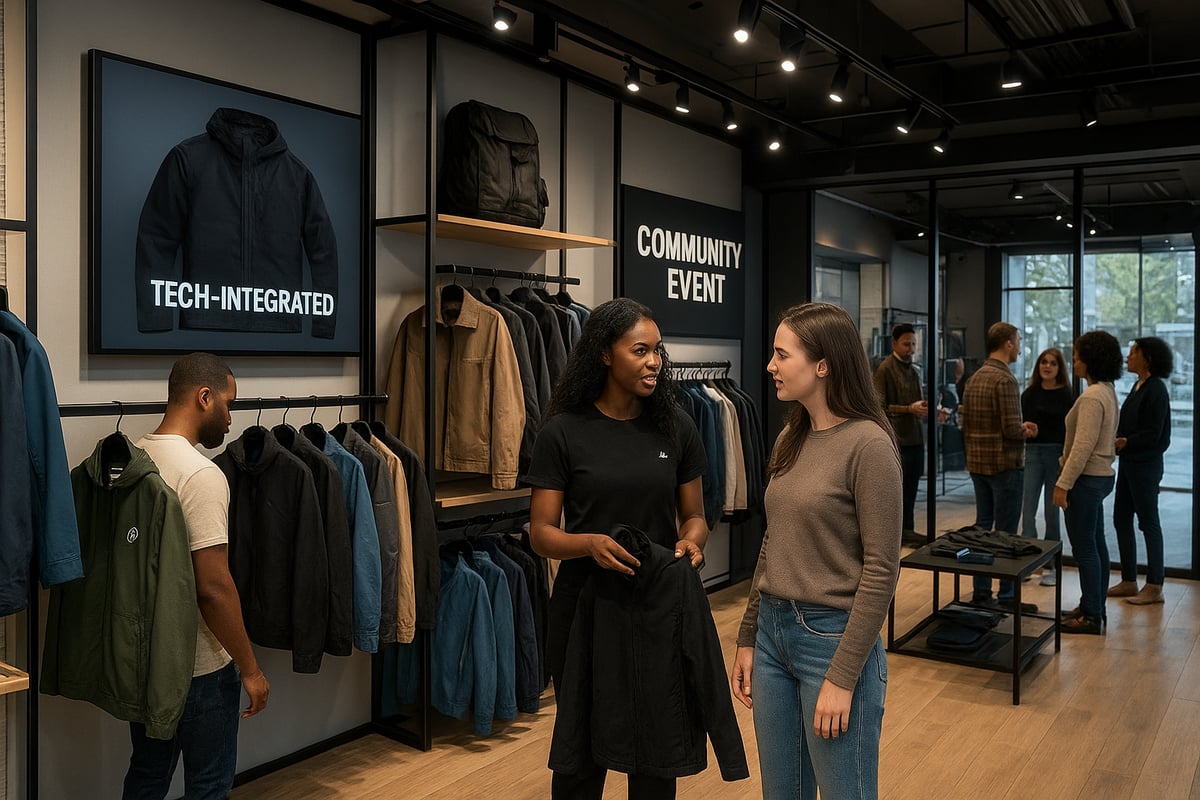
Begin by evaluating which industry trends resonate with your street clothing store’s mission and customer base. Not every innovation will suit your brand identity, so prioritize those that enhance your store’s unique value proposition. For example, if sustainability is central to your ethos, explore the latest sustainable fashion statistics 2025 to gauge market demand and consumer attitudes.
Consider piloting new concepts, such as local artist collaborations or limited edition drops, to test their impact before fully committing. This approach allows your street clothing store to remain agile and responsive to the evolving marketplace.
Staff Training and Store Culture
Your team is the face of your street clothing store. Equip staff with training on the latest technologies, sustainability practices, and inclusive customer service. A knowledgeable team not only improves customer satisfaction but also fosters a creative and welcoming environment.
Emphasize a culture of learning and openness. Encourage staff to share trend insights and feedback from shoppers. This collaborative spirit will help your street clothing store adapt seamlessly to new innovations and maintain a strong brand identity.
Measuring Success and Staying Agile
Establish clear metrics to monitor your street clothing store’s progress. Key performance indicators may include sales growth, foot traffic, social engagement, and customer feedback. Use these data points to identify which initiatives deliver results and where improvements are needed.
Adopt an iterative approach by testing and refining new strategies regularly. Stay informed by following industry news and attending trade shows. Agility ensures your street clothing store can pivot quickly in response to shifts in consumer behavior or emerging trends.
Future-Proofing Your Street Clothing Store
To build long-term resilience, diversify your offerings and embrace adaptability. Leverage technology and community connections to strengthen your street clothing store’s foundation. This includes integrating omnichannel solutions, hosting local events, and exploring partnerships that enhance your reach.
Preparing for the next wave of streetwear consumers means staying curious, open to change, and committed to delivering value. By continually evolving, your street clothing store can thrive in a dynamic and competitive landscape.
As you’ve seen, staying ahead in the street clothing scene means embracing creativity, tech innovation, and an unapologetic sense of individuality—values that define both the trends for 2026 and the spirit behind Maybe Today NYC. If you’re inspired to bring more authenticity and edge to your personal style or store offerings, I invite you to see how these trends come to life in real designs. Whether you’re drawn to bold graphics, sustainable fabrics, or pieces that let you express your “act now” mindset, you’ll find something that resonates when you Explore the Collection.
0 comments